

RF Microneedling for Jowls and Sagging Skin: How Much Tightening Is Possible?

Maybe it started with a photo taken from a low angle, or a moment in the mirror when your jawline looked softer than you remembered. Your lower cheeks may start to look heavier, the skin near your mouth may lose some of its snap, and small pockets of looseness may begin forming along your jaw. These changes usually come from several things happening at once: collagen loss, reduced elasticity, shifts in facial fat and volume, and the slow descent of deeper supporting tissue. RF microneedling for jowls is a nonsurgical option that pairs controlled microneedling with radiofrequency energy to encourage collagen remodeling. For the right patient, it can help skin look firmer and the lower face appear more defined. How much improvement you see depends on what’s causing the sagging and how advanced it is. Key Takeaways RF microneedling works best for mild laxity and early jowls. It improves skin firmness and quality but does not physically lift deeper tissue. It cannot remove excess skin or replace lost volume. Results build gradually as collagen remodels over weeks and months. More advanced sagging may call for a different approach, including surgery. A consultation is the best way to learn whether VirtueRF fits your goals. Why Do Jowls and Sagging Skin Develop? Lower-face changes rarely have a single cause. Common contributors include: Collagen and elastin loss: These proteins keep skin firm and springy, and your body makes less of them with age. Changes in facial volume: Fat pads can shrink or shift, changing the contours of the cheeks and jaw. Weakening tissue support: The structures that hold everything in place gradually loosen, softening the jawline. Genetics and natural aging: Some people notice jowls in their 30s, others not until much later. Sun exposure and lifestyle: Years of UV exposure break down skin quality over time. It’s helpful to separate loose skin from deeper structural change. Someone with mild skin laxity is in a very different position than someone with significant excess skin, prominent jowls, or major volume loss. Pinpointing the underlying cause is what guides the right treatment choice. How Does RF Microneedling Work for Jowls? VirtueRF combines two mechanisms in one treatment: Microneedling: Fine needles create controlled micro-injuries that switch on the skin’s natural repair process. Radiofrequency energy: The needles deliver controlled heat into targeted layers beneath the surface, supporting collagen remodeling. Gradual change: As new collagen forms, skin can look firmer, smoother, and more resilient. Tailored settings: Your provider adjusts needle depth and energy based on the treatment area, your skin, and your goals. The key point is that RF microneedling improves skin quality and firmness. It doesn’t physically pull tissue upward the way a surgical lift does. At Beautiful Skin Denver, VirtueRF skin tightening is our featured option for patients concerned about mild laxity, reduced firmness, and fading definition along the lower face. Its customizable parameters let us adjust treatment to each person’s skin rather than following a single setting for everyone. How Much Can RF Microneedling Tighten Jowls? The honest answer: it depends on where you’re starting. Here’s how expectations typically shift with the degree of sagging. Mild Jowls and Early Skin Laxity Patients with mild looseness and early changes along the jaw are generally the best fit for RF microneedling. Potential improvements may include: Firmer-looking skin across the lower cheeks A subtly crisper jawline Smoother texture Better overall elasticity and skin quality A more refined lower-face appearance These changes are usually gradual and subtle. Jowls may soften, but they won’t necessarily vanish, and not every patient will see a visibly lifted jawline. Moderate Sagging and More Noticeable Jowls With more pronounced jowling, you may still see better skin firmness, but the overall correction will likely be more limited. When deeper tissue has descended, volume has changed, or skin laxity exceeds what collagen stimulation can address, RF microneedling alone may not deliver the lift you’re hoping for. A consultation helps clarify whether VirtueRF makes sense as a standalone treatment or whether another approach would serve you better. Significant Sagging or Loose, Excess Skin RF microneedling is not a substitute for surgery when excess skin needs to be removed, or deeper facial tissue needs to be repositioned. If you have advanced jowls, substantial lower-face sagging, or a lot of loose skin, it’s worth speaking with an appropriately qualified clinician about other options, including surgical ones. We’d rather give you a realistic picture than promise results a skin-focused treatment can’t deliver. What Affects Your RF Microneedling Jawline Results? Several factors shape how much improvement you can expect: Degree of laxity: Mild looseness responds differently than significant tissue descent. Skin quality: Baseline elasticity and existing sun damage play a role. Individual biology: Age alone doesn’t decide candidacy or outcomes. Treatment settings: Depth, energy, and technique as chosen by your provider. Number of sessions: Many patients benefit from a series rather than a single visit. Time: Collagen remodeling unfolds slowly, so results keep developing after treatment. Volume and deeper tissue changes: These can limit what a skin-focused treatment can accomplish on its own. Because these variables differ so much from person to person, no reliable percentage of tightening applies to everyone. When Will You See Results From VirtueRF Skin Tightening? Some patients notice an early change in how their skin looks, but that isn’t the final result. The meaningful improvement comes from collagen remodeling, which develops over the following weeks and months. Depending on your degree of laxity and your goals, your provider may recommend a series of treatments. Maintenance sessions and appointment spacing are also individualized. Keep in mind that firmer-looking skin is not the same as lifted underlying tissue. Both can improve the jawline, but they produce different results. What Is Recovery Like After RF Microneedling? Most patients experience some temporary redness, mild swelling, warmth, or sensitivity. Dryness or tightness can follow as skin heals. Beautiful Skin Denver describes typical VirtueRF recovery as about 72 hours, though your experience may differ depending on treatment intensity and how your skin
Microneedling Recovery Day by Day: What Your Skin Really Looks Like After Treatment

Microneedling can do a lot for acne scars, rough texture, and fine lines, but most people want to know one thing before they book: what will my face look like tomorrow? It’s a fair question, especially if you have work meetings, a weekend event, or just want to know how long you’ll look a little pink. Microneedling creates tiny, controlled channels in the skin. This prompts your body’s natural repair response and encourages new collagen. That same process explains why short-term redness, sensitivity, and dryness are so common afterward. This guide walks through microneedling recovery day by day, from the first few hours to the weeks when collagen keeps rebuilding. Every patient heals a little differently. The device, treatment depth, your skin type, and your aftercare all shape the experience. Key Takeaways Redness and warmth are common on day one and often begin fading within 24 to 48 hours. Dryness or light flaking may show up around days three and four, but peeling is not required for good results. Many patients look close to normal by the end of the first week. Collagen keeps remodeling for weeks after your skin looks healed. Your provider’s instructions should guide when you restart makeup, active ingredients, and workouts. VirtueRF radiofrequency microneedling can involve a different recovery than SkinPen. What Happens to Your Skin After Microneedling? Each tiny channel tells your skin to start repairing itself. Blood flow increases to the area, which is why skin after microneedling often looks flushed and feels warm, a lot like a mild sunburn. Some people also notice light swelling or a tight, sensitive feeling. It helps to think of recovery in two layers: Visible healing: the redness, dryness, and sensitivity you see and feel over the first several days. Collagen remodeling: the slower rebuilding happening beneath the surface over the following weeks. Your treatment type matters too. SkinPen is a standard microneedling device, while VirtueRF pairs microneedling with radiofrequency energy that heats deeper skin layers. Because the methods differ, so can the downtime. If you’re still deciding between them, you can learn how SkinPen and VirtueRF differ before your consultation. Either way, follow the aftercare plan written for your specific treatment. Microneedling Healing Stages: A Day-by-Day Guide This timeline reflects what many patients experience. Use it as a general guide, not an exact forecast for your skin. Day 1: Redness, Warmth, and Sensitivity Right after treatment, your skin will likely look red or flushed. It may feel warm, tight, or slightly puffy, and it can stay sensitive even if the redness looks mild. On day one: Keep your skin clean and follow your provider’s post-treatment instructions closely. Use only the gentle products your provider approves. Skip makeup. Avoid strenuous exercise, heavy sweating, saunas, hot tubs, and other heat exposure. Stay out of direct sun. Day 2: Redness Begins to Fade Redness and warmth commonly start to ease over the first 24 to 48 hours. Some patients still look pink, and that’s okay. Your skin may also start to feel tight or dry. Keep using gentle, approved skincare and hold off on harsh cleansers, exfoliants, and active ingredients. Try not to touch or rub your face. Less redness doesn’t mean your skin barrier has fully recovered, so stay patient with your routine. Days 3-4: Dryness, Tightness, and Possible Flaking Around this point, many people notice dryness, roughness, or a slightly sandpaper-like texture. Some see light flaking. Others barely peel at all, and that’s perfectly fine. Visible peeling doesn’t mean microneedling isn’t working. During this stage: Apply your approved moisturizer to keep skin comfortable. Let flakes shed on their own. Don’t pick, scrub, or peel. Continue avoiding exfoliants and potentially irritating ingredients. Watch for steady improvement from one day to the next. Days 5-7: Skin Starts Looking More Normal By the end of the first week, redness and sensitivity have often improved quite a bit. Your skin may even look a bit smoother or brighter. Mild dryness can linger, though, and some patients need a little longer. Once your skin feels recovered and your provider gives the okay, you can gradually return to your usual routine. Reintroduce active ingredients based on your personal aftercare guidance, not a fixed date, and keep protecting your skin from the sun. If you have a wedding or big event on the calendar, it’s smart to plan skin treatments before a major event so you have plenty of buffer. Weeks 2-6 and Beyond: Collagen Remodeling Continues Here’s what surprises many first-time patients: once the redness is gone, the work underneath is just getting started. Collagen continues to rebuild for weeks, which is why improvements in texture, acne scars, and fine lines show up gradually. Most goals call for more than one session. Beautiful Skin Denver generally recommends a series of three to six SkinPen treatments spaced four to six weeks apart, depending on your concerns and treatment plan. Your provider will set the interval that fits your skin. You can also read about how microneedling can address skin concerns at different ages to see how plans often shift over time. What Should You Avoid After Microneedling? How long each restriction lasts depends on your treatment and your provider’s direction. In general, plan to avoid: Retinoids: Pause retinol, tretinoin, and similar products until your provider clears you to restart. Exfoliating acids: Skip AHAs, BHAs, and other chemical exfoliants during early recovery. Physical exfoliation: Set aside scrubs and cleansing brushes, and don’t pick at your skin. Irritating products: Avoid fragranced formulas and anything that stings. Heat and sweat: Hold off on hard workouts, saunas, and hot tubs as directed. Sun exposure: Stay out of direct sun and use sun protection once your provider says it’s safe. Other treatments: Wait to book peels, lasers, or energy-based procedures until your provider confirms your skin is ready. Even though a product is part of your everyday routine, it might not be safe for freshly treated skin. When in doubt, ask first. When Can You Wear Makeup After Microneedling?
Brotox Is on the Rise: Why More Men Are Getting Botox

Maybe it started with a work headshot, a weekend hiking photo, or a comment that you look tired when you feel fine. Forehead lines and a deep crease between the brows can make you look stressed or older than you are, and more men are deciding to do something about it. Botox for men, often called Brotox, has become a popular way to soften those lines. At Beautiful Skin Denver, most men want the same thing: to look like themselves on a good day, not like they had work done. That balance takes a skilled hand. Our injectors, including Stephanie Butschek, PA, a board-certified physician assistant with more than eight years of aesthetic experience, tailor every treatment to the individual. For men, that often means accounting for stronger facial muscles and a naturally lower brow. If you are wondering whether Brotox is right for you, here is what is behind the trend, what it treats, and what to expect. Key Takeaways Brotox is a nickname for Botox and other neurotoxin treatments for men. Men in Western states are leading the national trend. Stronger facial muscles often mean men need more units than women. A skilled injector adjusts placement to keep a natural, masculine look. Treatment is quick, and most men return to their day right away. What Is Brotox? Brotox is simply Botox for men. The name is new, but the treatment is not. Botox and similar neurotoxins, such as Dysport and Xeomin, relax specific facial muscles that create wrinkles when you squint, frown, or raise your eyebrows. When those muscles stay calmer, the lines they cause soften over time. The skin on top looks smoother, while the rest of your face continues to move and react normally. Botox Cosmetic is FDA-approved to temporarily improve the look of moderate to severe frown lines, forehead lines, and crow’s feet in adults. What Is Driving the Brotox Trend? Men have been getting Botox for years, but the numbers are climbing. A 2026 report from medical aesthetics data firm Guidepoint Qsight, which tracks neurotoxin treatments nationwide, found that demand among men is growing quickly. The West Is Leading the Way According to that report, about 40% of male neurotoxin spending happens in Western states, compared with roughly 30% for women. In the West, men and women now use medspas at nearly equal rates, which sets the region apart from the rest of the country. It is easy to see why the trend resonates in Denver. Colorado has an active, outdoorsy culture, and years of high-altitude sun, wind, and squinting on the trails can leave their mark around the eyes and forehead. Self-Care Is No Longer Just for Women Skincare and grooming have become a normal part of many men’s routines, from daily sunscreen to a good moisturizer and regular facials. A treatment that takes less time than a lunch break and does not require surgery fits easily into that mindset. Areas Men Commonly Treat Most men start with one or two areas and build from there. Popular options include: Horizontal forehead lines Vertical frown lines between the eyebrows Crow’s feet at the outer corners of the eyes The jaw muscles, for men who clench or grind Your injector will watch your expressions and note which lines are most noticeable to you before recommending a plan. If you are also curious about volume loss, it helps to understand how Botox compares to dermal fillers and which concerns each one addresses. How Botox for Men Is Different Botox for men uses the same products as treatment for women, but the approach changes in a few important ways. Stronger Muscles, Different Dosing Men usually have larger, stronger facial muscles. The same report found that men typically get 10% to 15% more units per appointment than women. That doesn’t mean every man needs a higher dose, but it helps explain why your plan may look different from a partner’s or friend’s. Keeping a Masculine Look Placement matters as much as the number of units. Men’s brows tend to sit lower and flatter, while women’s often have more of an arch. An experienced injector places product to avoid lifting the brows into a shape that looks feminine or surprised. Choosing the Right Neurotoxin Beautiful Skin Denver offers Botox, Dysport, and Xeomin. Each works similarly, with small differences in how it spreads and how quickly results appear. Your injector can help you choose the option that best fits your goals and schedule. Common Myths About Brotox A few misconceptions still keep some men from booking a consultation. Myth: Everyone Will Be Able to Tell When treatment is planned well, most people notice you look rested or more at ease. Your expressions stay intact. Myth: Botox Is Not Safe Botox Cosmetic has been used for more than two decades. Like any medical treatment, it carries some risk, which is why choosing a trained injector and sharing your full health history matters. Myth: The Injections Are Painful The injections use a very fine needle and take only a few minutes. Most men describe a quick pinch. Myth: Once You Start, You Can Never Stop If you stop treatment, the muscles gradually return to their usual activity. Your lines do not get worse because you had Botox. Your First Brotox Appointment If you have never had Botox before, knowing what happens at each step can take the guesswork out of your first visit. Here is how a typical appointment unfolds, from the first conversation to the day your results start to show. The Consultation Your visit begins with a conversation about the lines you want to soften and the look you prefer. Your injector will assess your muscle strength and facial structure, then build a plan around your face. This is also a good time to ask about brands, cost, and how often you may need treatment. Treatment and Aftercare The injections themselves are quick. Afterward, you may notice mild redness, swelling, or bruising, which typically fades within a few days.
Botox for Active Lifestyles: What Boulder Patients Should Know About Working Out After Treatment

At Beautiful Skin Denver, experienced master injectors perform treatments and understand how Botox needs to fit around training schedules and active routines. Knowing when to pause and when you can safely get moving again makes the whole process much easier to plan.
Laser Resurfacing Before a Big Event: How Far Ahead Should You Schedule Treatment?
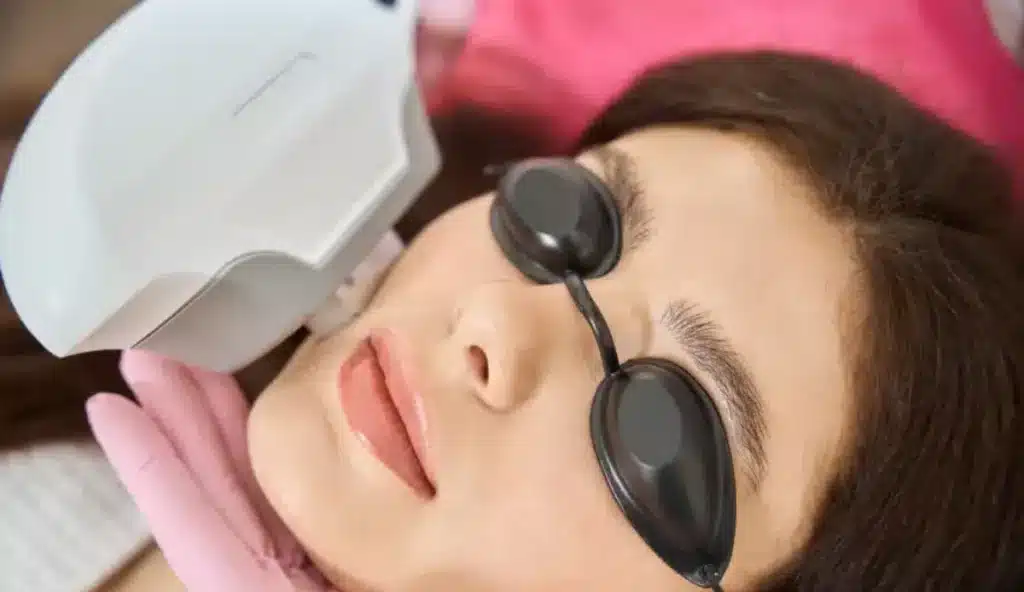
Booking laser resurfacing before an event goes one of two ways.
The good version: you book far enough ahead, your skin heals fully, and by the time the day arrives, you look like yourself on a very good week. The other version: you book three weeks out, you are still pink in the photos, and you spend the whole event thinking about your face.
SkinPen vs. VirtueRF: Which Type of Microneedling Is Right for Your Skin?

If you’ve decided you want microneedling but aren’t sure whether SkinPen or VirtueRF is the better fit, you’re asking the right question.
Microneedling by Age: What Your Skin Needs in Your 20s, 30s, 40s, 50s, and Beyond

Your skin does not age overnight. The occasional breakout marks you notice in your 20s may be joined by fine lines in your 30s, uneven tone in your 40s, and changes in firmness during your 50s and beyond.
Bye, Spider Veins: What To Know About Laser Vein Treatment and Sclerotherapy Before You Book
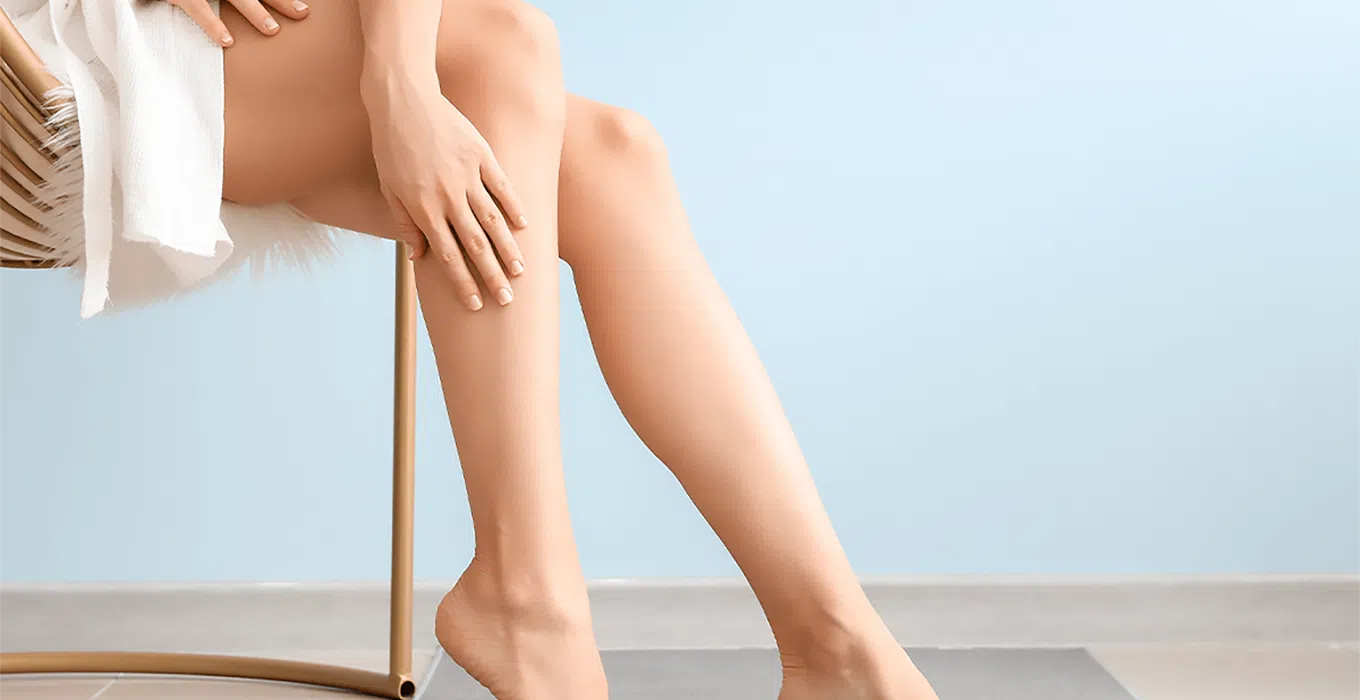
New year, clearer skin. If facial redness, tiny spider veins around your nose or cheeks, small veins on the ankles or arms, or leg veins are stealing the spotlight in your selfies, laser vein treatment and sclerotherapy can help you start fresh. Below, you’ll find a simple, candid walkthrough of what each therapy can do, where they work best, who they’re for, how they feel, how many sessions to plan for, and how they work together. Think of this as your Q&A companion and a quick patient‑journey preview so you can book with confidence. “Beautiful Skin Denver gave me a plan that made sense for my face and legs. Laser for my cheek veins, sclerotherapy for my calves, and both were easier than I expected.” First, a quick refresher on how these treatments work Laser vein treatment uses targeted light to heat the blood inside a visible vein. That heat makes the vein wall collapse, then the body gradually clears it. At Beautiful Skin Denver, we use a narrow spectrum of light designed for vascular concerns on the Alma Harmony platform. Treatments are noninvasive, appointment times are short, and settings are customized to your skin tone. Sclerotherapy uses a tiny injection of solution inside a vein to gently irritate the lining, prompting it to close and be absorbed by the body over time. We use ultra‑fine needles and precise dosing to treat spider and reticular leg veins safely and effectively. Cooling is built into the laser handpiece and is paired with soothing gel. Most people describe each pulse as a quick, warm snap that fades fast. Sclerotherapy feels like brief pinpricks with a light sting that settles quickly. Where each treatment shines Laser vein treatment is typically best for: face (cheeks, nose, chin), ankles, and arms, especially when background redness or broken capillaries are present. Sclerotherapy is typically best for: legs, spider veins and small reticular veins that are pink, red, purple, or blue. “Laser cleared the little red threads around my nose and the tiny veins near my ankles. For my thighs, sclerotherapy made the biggest difference.” Who is a candidate? You are likely a good candidate for laser if: You have facial telangiectasias, diffuse facial redness, or small, flat spider veins on ankles or arms. Your veins are small and close to the surface. You can avoid tanning before and after treatment and commit to SPF daily. You are not pregnant and not on photosensitizing medications without medical clearance. You are likely a good candidate for sclerotherapy if: You have leg spider veins or small reticular veins (generally under about 3–4 mm) that are visible but not bulging. You can wear compression stockings as advised after treatment. You are not pregnant and do not have a history of severe allergies to sclerosants or active clotting disorders. A consultation is important, especially for deeper skin tones, a history of melasma, recent sun exposure, easy bruising, or if you’re unsure whether a vein is suitable for laser or injections. We will review your health history, recent procedures, and lifestyle to confirm the safest, most effective plan. Not ideal: Large, bulging varicose veins that feel achy or heavy, best assessed by a vascular specialist. Recently tanned or sunburned skin (for laser). Active infections, open wounds, or certain medications without clearance. What types of veins can be reduced? Laser is great for: Facial telangiectasias, tiny red threads on the cheeks and around the nose. Diffuse facial redness and broken capillaries that show through makeup. Small, flat spider veins on ankles and arms. Sclerotherapy is great for: Leg spider veins (flat or branching) and small reticular veins that sit a bit deeper but are not bulging. Laser is less effective for: Large, bulging varicose veins. Deep blue reticular leg veins, these often respond better to sclerotherapy or a combined approach. If your concern is predominantly redness with a few visible vessels, laser can do double duty by shrinking targeted veins while softening background redness for a more even tone. Laser vs. sclerotherapy, in simple terms How they work: Laser uses light on the skin surface to heat the vein from the outside in. Sclerotherapy uses a tiny injection to treat the vein from the inside out. Best uses: Laser shines for facial veins and small, superficial veins on the ankles and arms, especially when redness is also a concern. Sclerotherapy is often first choice for leg spider and reticular veins. Comfort and convenience: Laser is noninvasive with no needles and has built‑in cooling. You feel quick, hot snaps. Sclerotherapy involves small injections with a brief sting and possible mild cramping along the treated vein. Downtime: Both approaches have minimal downtime. Laser can cause temporary redness and darkening of the treated vessels. Sclerotherapy can cause mild bruising or welting and typically requires compression stockings after leg sessions for a set period. Often, the best plan involves both. We will guide you if combining treatments, laser for facial and ankle veins, sclerotherapy for leg spiders and reticulars, could get you to the finish line faster. How many sessions will you need? Think series, not single. Laser: Face: 2 to 4 sessions, spaced 4 to 6 weeks apart. Ankles/arms: 2 to 4 sessions, spaced about 6 weeks apart. Sclerotherapy (legs): 2 to 4 sessions, spaced 6 to 8 weeks apart, depending on the size and number of veins. Veins typically fade gradually over several weeks as the body clears them. You may notice immediate blanching with laser or early color changes with sclerotherapy, followed by steady fading. Maintenance can help if you develop new capillaries due to genetics, sun, or lifestyle. What do treatments feel like? Laser: Sensation: Quick, warm snaps with brief heat. The area may feel sun‑warmed for an hour or two. During your visit: We cleanse, apply gel, use cooling, and deliver a series of pulses. Small facial areas take 10 to 20 minutes; ankles and arms are similar. Comfort tips: Avoid caffeine right before, arrive well‑hydrated, and consider a cool pack
Acne Laser Therapy 101: A Clearer-Skin Plan That Goes Beyond Products

If you feel like you have tried every cleanser, spot treatment, and mask with only short-lived wins, you are not alone. Acne is complex, and long-term clarity often requires more than products. Acne laser therapy can calm active breakouts, shrink the look of post-acne marks, and reduce redness while you stay consistent with a multi-visit acne plan. At Beautiful Skin Denver, we use the FDA-cleared Harmony XL PRO with settings customized for your skin type so you can move forward with confidence, not guesswork. The Ultimate Acne Guide: What Is Acne and Why It Matters Acne is a chronic inflammatory skin condition that occurs when pores become clogged with excess oil, dead skin cells, and bacteria. While it is often linked to teen years, acne affects people of every age and skin type. Hormones, genetics, lifestyle, and skincare choices all play a role in how and when breakouts show up. Acne is not just a surface concern, it reflects what is happening beneath the skin, which is why lasting results rarely come from a one-size-fits-all routine. Understanding acne helps protect long-term skin health. When left untreated or treated with harsh, mismatched products, acne can linger, trigger ongoing inflammation, and increase the risk of scarring and discoloration. A thoughtful plan that combines targeted treatments, gentle homecare, and consistent follow-up sets the stage for clear, resilient skin. Common Acne Myths, Debunked Myth: Acne only affects teenagers. Fact: Adult acne is very common, especially in women. Hormonal shifts, stress, and lifestyle factors can drive breakouts into your 30s, 40s, and beyond. Myth: Acne is caused by poor hygiene. Fact: Over-cleansing or using harsh products can strip your skin barrier and make acne worse by increasing irritation and inflammation. Myth: Sun exposure clears acne. Fact: Sun may temporarily dry surface oil, but it can ramp up oil production later, worsen pigmentation, and cause long-term skin damage Myth: You will “grow out of” acne. Fact: Acne is a medical skin condition that often needs targeted care. Without the right plan, it can persist and leave scars. Myth: All acne treatments work the same for everyone. Fact: Acne is highly individual. Effective care depends on your skin type, acne type, hormones, lifestyle, and consistency. Our goal is to replace myths with education and support, so you can make confident choices and see steady, meaningful results. Can lasers really help active acne? Yes, when the right device and settings are used for your skin. Acne laser therapy targets two key drivers of breakouts, inflammation and excess bacteria. Specific wavelengths can heat the oil glands in a gentle, controlled way, which helps reduce their overactivity over time. At the same time, energy delivered into the skin can curb acne-causing bacteria on the surface and within pores. The result, fewer new lesions and faster resolution of current ones. You will not leave the room with every blemish gone. Instead, think of the laser as a steady, strategic nudge that shortens the life cycle of active pimples and helps prevent future ones from forming. With Harmony XL PRO, your provider can fine-tune settings to match your skin tone and sensitivity level. This is especially important for darker skin tones or those who flush easily. Our goal is to cool down inflammation without triggering additional irritation. How acne laser therapy differs from peels or facials Peels and facials work primarily on the surface. They lift dead skin, help clear debris, and smooth texture. That is valuable, and we often include them in a plan. Laser, by contrast, delivers energy deeper into the skin to influence oil activity, bacteria balance, and microinflammation. Think of facials and peels as maintenance and polish, and laser as your deeper corrective tool. Another difference, precision. With Harmony XL PRO, we can target areas that are most reactive, like the jawline or cheeks, and adjust pass count and energy where needed. If you are prone to redness or have visible post-acne marks, we can incorporate narrow-band IPL on the same platform to address pigment and vascular redness with accuracy. A series, not a one-off, and what the timeline looks like For breakout control, most clients start with a series scheduled every 3 to 4 weeks. This cadence allows your skin to respond between visits while keeping momentum. A typical starter plan includes 3 to 6 sessions depending on severity, lifestyle, and how your skin behaves in the first couple of visits. Weeks 1 to 4, you should notice calmer, less angry lesions and fewer new deep pimples. Weeks 4 to 8, expect more predictable skin, shorter pimple life cycles, and a softening of post-acne marks as redness fades. Weeks 8 to 12 and beyond, we continue to fine-tune, addressing any lingering congestion and focusing on even tone. Your provider will reassess at each appointment to dial settings up or down. It is personalized care, not a fixed protocol. Pairing laser with LED, medical-grade topicals, and lifestyle coaching Laser works best as part of a plan, not as a solo act. Here is how we build a complementary routine: LED therapy, Blue and red LED are gentle, no-downtime sessions that help curb bacteria and calm inflammation. We often add LED between laser visits to sustain progress, especially if you are prone to hormonal flares. Medical-grade topicals, Daily use of ingredients like benzoyl peroxide, salicylic acid, azelaic acid, and retinoids supports clear pores and speeds cell turnover. We help you layer these correctly to avoid over-drying, and we provide clear adjustments if your skin feels tight or reactive. Lifestyle coaching, Small changes can have a big impact. We will review makeup and SPF choices, workout sweat and cleansing routines, pillowcase and phone hygiene, and stress and sleep patterns. If food triggers are suspected, we will help you track observations so you can make informed choices without extreme restrictions. This integrated strategy is what turns short-term calm into long-term stability. What you can expect to improve, and what takes longer Inflammation, Many clients report that painful, swollen breakouts look
Start Now, Smooth By Summer: Why Winter Is Best For Laser Hair Removal

If smooth, low-maintenance skin is on your summer wish list, winter is your moment to start. Shorter days, sweaters, and less outdoor time mean less sun exposure, which sets you up for safer, more effective laser hair removal. Begin now and you can finish your series before pool weather, so you are shaving less and enjoying more. Why Winter Is the Ideal Time in Denver Laser hair removal works best when your skin is its natural tone and the treatment area is not tanned. In Denver, winter brings cozy layers and fewer UV rays, so it is easier to avoid sun and protect treated skin. That low sun exposure helps reduce risks like temporary pigment changes, and it allows your provider to use settings that target the hair efficiently. Another perk, winter schedules are often more predictable. You can book your sessions 4 to 8 weeks apart without last-minute lake days or ski-sunburns complicating timing and aftercare. Start now and you can complete most, if not all, of your series by early summer. If you are curious about the process or want to see how it fits your goals, explore our service details for laser hair removal denver. How Laser Hair Removal Works, In Simple Terms Your hair grows in repeating cycles: active growth (anagen), transitional (catagen), and resting/shedding (telogen). Lasers only affect follicles in the active growth phase because that is when the follicle contains the most pigment to absorb light energy. At any moment, only a percentage of your hairs are in that phase, which is why you need a series of treatments to catch each group as it cycles into growth. At Beautiful Skin Denver, we use the Soprano Titanium system, an FDA-cleared, multi-wavelength device designed for speed and comfort. It gradually heats the follicle while an integrated cooling tip keeps your skin comfortable. Many clients describe a warm, rolling sensation instead of sharp snaps. Is Winter a Good Time to Start Laser Hair Removal? Yes, it is the best time. Here is why: Less sun on treated areas, which means smoother treatments and fewer post-care limitations. Easier to stay consistent with your schedule, so you can complete your plan by summer. You can let hair grow just enough between sessions without swimsuit season pressure. If you are new to laser, you have time to see progress and plan any touch-ups before vacation. How Many Sessions Will You Need and How Far Apart? Most people need 6 to 8 sessions for a meaningful reduction, sometimes followed by an occasional maintenance visit. Your exact plan depends on the area, hair density and thickness, hormones, and your personal hair cycle. Typical spacing: Face and underarms: every 4 to 6 weeks Bikini and Brazilian: every 5 to 7 weeks Legs, chest, and back: every 6 to 8 weeks You will see gradual thinning and slower regrowth after each session. Many clients notice reduced shadow and softer regrowth even after the first or second visit. During your consultation, your provider will map a schedule and adjust as your hair responds. Soprano Titanium Comfort Features You Will Appreciate Advanced cooling keeps the epidermis comfortable while energy targets follicles. Multi-wavelength technology is designed to treat a wide range of hair types on diverse skin tones. Larger applicator size for quicker treatment times, which means less time on the table and more time back to your day. Our team customizes settings for your skin tone and hair color, and we test a small area to gauge sensitivity and response. The goal is effective treatment with minimal downtime. Good Candidates Across Skin Tones and Hair Types We believe inclusive care starts with a careful consult. Soprano Titanium offers flexible settings for many skin tones and hair textures. The best candidates have dark hair on lighter skin, but advances in technology have expanded options for darker skin tones and coarser hair. Very light blond, gray, or red hairs have less pigment, so results can be more variable. Your consultation will clarify expectations and suitability, and we will suggest alternatives if laser is not your best-fit option. What To Do Before and After Each Session Preparation Shave the area 12 to 24 hours before your appointment. Do not wax, thread, or tweeze for at least 3 to 4 weeks, since the follicle needs to be present. Avoid tanning, self-tanner, and unprotected sun for 2 to 4 weeks. Use SPF 30 or higher daily on exposed areas. Arrive with clean skin, no lotions, deodorant, oils, or makeup on the area. Pause retinoids, exfoliating acids, and active topicals on the area for a few days, as advised at consultation. Tell your provider about medications, photosensitizing products, or recent procedures. Aftercare Expect mild warmth or redness for a few hours. Apply cool compresses and use a gentle moisturizer or aloe if needed. Avoid hot tubs, saunas, intense workouts, or very hot showers for 24 hours. Keep the area out of the sun and wear SPF daily. Avoid self-tanner between sessions. Skip exfoliation and active products for 2 to 3 days unless your provider says otherwise. Shaving between sessions is fine. Do not wax or tweeze. Package Pricing Tiers and Value We keep pricing straightforward with single-session or discounted 6-session packages: X-Small areas, such as lip or chin: $65 per session or $325 for 6 Small areas, such as underarms or bikini line: $100 per session or $499 for 6 Medium areas, such as half legs or full bikini: $175 per session or $799 for 6 Large areas, such as full arms or Brazilian: $225 per session or $1,199 for 6 X-Large areas, such as full legs or full back: $275 per session or $1,350 for 6 Seasonal savings and new client offers may apply. If you want a deeper dive on budgeting and packages, check out our laser hair removal cost denver details. Why Starting Now Means Smooth By Summer A series takes time. If you begin in winter, you can complete most sessions by late spring. That timing